
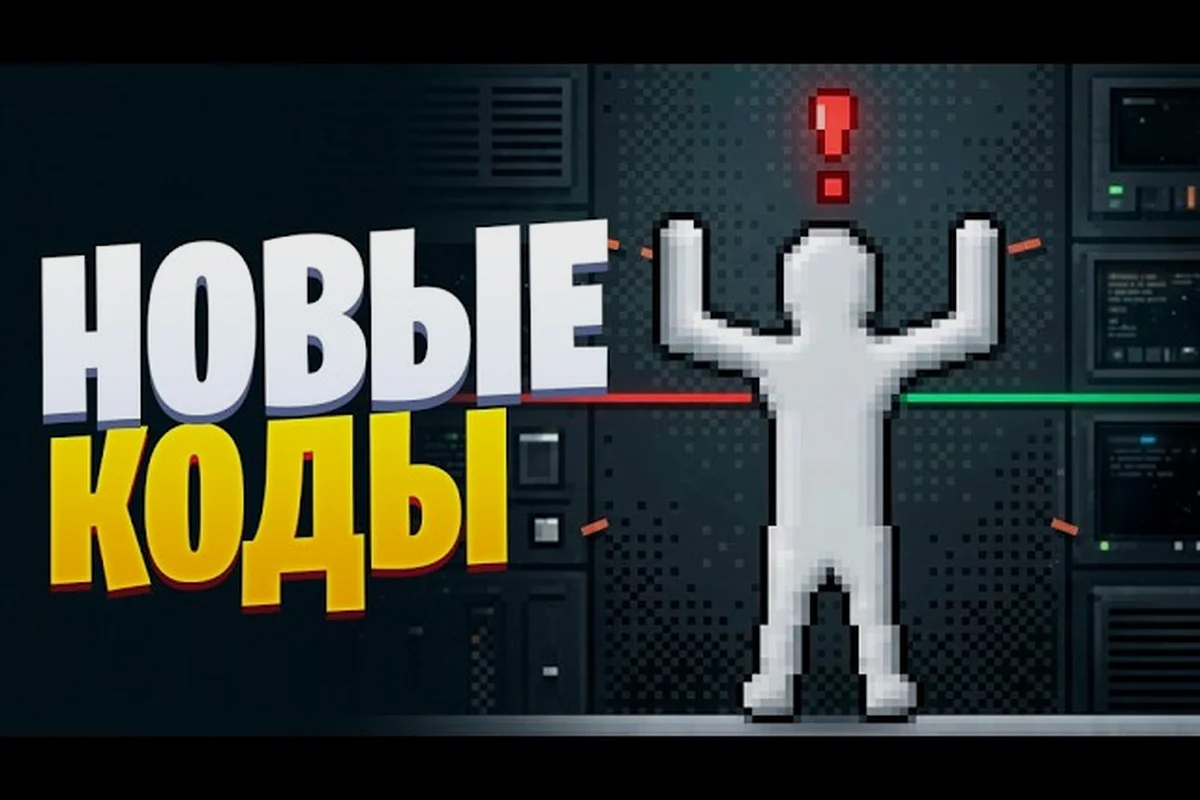
Ragdoll Playground element combos matter because the best experiments come from reacting materials, not merely placing them side by side. Mix water with sand, fire with lava, or both fluids with the white dummy to see which combinations create the most unpredictable sandbox scenes.
How Element Combos Work
Ragdoll Playground element combos depend on how each material moves, collides, and reacts after you place it around the dummy. The white dummy is the main test subject, while the room acts as a boundary for spills, piles, flames, and falling objects. This makes the sandbox useful for observing cause and effect rather than completing a fixed puzzle.
The core materials have distinct simulated materials behavior. Sand falls in grains and can form piles, water spreads into a pool, fire burns in a moving flame pattern, and lava behaves like a thick hot fluid. Their movement states are more useful for planning an experiment than assuming every element produces the same result when it touches the character.
Main Element Properties
| Element | Visual behavior | Best interaction test | Common result |
|---|---|---|---|
| Water | Spreads, flows, and settles | Place over sand or near the dummy | Pooling and displacement |
| Sand | Falls in grains and forms heaps | Pour onto water or the dummy | Piling and temporary burial |
| Fire | Produces flickering flame particles | Target wet or burning material | Ignition or rapid spreading |
| Lava | Flows as a thick, glowing substance | Contact sand, water, or the dummy | Pooling, heating, and possible reaction |
These properties describe observable effects rather than a guaranteed damage formula. A combo’s outcome can change when you add another force, place the material at a different height, or move the dummy before the reaction finishes. For example, water may pool around the ragdoll, while sand can bury it temporarily; fire can ignite a wet target or spread through nearby fuel, and lava can pool, heat surrounding materials, or trigger a stronger reaction when it contacts water. Because ragdoll physics, fluid simulation, and particle effects interact continuously, the same element combo can produce different displacement, burn, or environmental-hazard results depending on timing and positioning.
Three Reliable Testing Patterns
-
Layered test: Place one material, let it settle, then add a second. This isolates the later reaction from the initial fall.
-
Direct-contact test: Bring both materials onto the dummy at the same time. This creates the clearest comparison of their combined effects.
-
Delayed reaction: Start with water or sand, wait for the surface to settle, and then introduce fire or lava. This often produces a more visible sequence of events.
A layered setup is the best first test because every change has one main cause, which makes it easier to determine whether the ragdoll’s altered movement comes from the material itself, the interaction between materials, or a change in the environmental hazard. For example, apply water first and allow the fluid simulation to settle before introducing fire or lava; the resulting particle effects can then be compared with the same combination applied through direct contact, while a delayed reaction better reveals how the two environmental hazards interact over time.
Fire and Water Combos in Ragdoll Playground
Ragdoll Playground fire and water tests are useful because the pair creates a clear visual contrast. Fire produces flickering particle effects, while water spreads in a much wider pool. When both reach the same area, the result depends on timing, quantity, and where the dummy is standing.
For a basic comparison, build a small water pool first and position the dummy near its edge. Add fire afterward and observe where the flame reaches the liquid. Then reverse the order by placing fire first and adding water while the flames are active. The order changes which material has time to dominate the scene.
Order-of-Operations Comparison
| Test order | What happens first | What to observe | Best use |
|---|---|---|---|
| Water, then fire | Pool forms and settles | Flame behavior near the wet surface | Controlled comparison |
| Fire, then water | Flame is already active | Water spread and steam-like visual change | Reaction test |
| Both applied together | Immediate overlap | Clashes of heat and fluid movement | Dramatic chaos |
| Fire over dry sand | Sand burns or darkens | How heat changes a granular pile | Burning terrain |
| Water over burning sand | Moisture reaches hot grains | Smoke-like and darkened effects | Layered hazard |
Community reports often focus on the size of the reaction rather than a fixed numerical damage value, so comparisons should separate visual scale from actual mechanical effect. For example, a fire-and-water overlap may create a large burst of steam-like particles without confirming greater damage than a smaller lava-and-water splash. Because this guide does not have a verified official damage table, treat those observations as visual tests rather than guaranteed damage rankings.
The dummy’s position also changes the result. A direct hit can produce a stronger initial reaction, while placing it beside the pool allows you to watch the fluid approach. For a more precise demonstration, use the controls covered in the beginner guide to reposition the character before introducing the next material.
Lava and Water Reactions
Ragdoll Playground lava and water reactions are among the most dramatic environmental hazards because both materials can move across the floor. Lava spreads like a dense liquid, while water searches lower areas and distributes itself more broadly. A direct overlap can briefly obscure both effects, so slow motion or pause controls help reveal the exact sequence.
Begin with a contained lava pool and a separate water source. Place the white dummy outside both pools for the first trial, then add water near the edge. Watch the boundary closely. Does the water continue forward, stop, or become partially hidden by the lava? The result gives you a clearer baseline before moving the dummy into the reaction.
Reaction Sequence Checklist
-
Place lava in a small, controlled area.
-
Let the lava spread into a visible pool.
-
Add water from a different direction.
-
Observe the first contact point for several seconds.
-
Move the dummy closer only after the pool has stabilized.
-
Reset and repeat with the order reversed.
The order matters because neither material behaves like a static paint layer. Water redistributes quickly, and lava remains dense enough to occupy a defined space. Testing one arrangement, resetting, and reversing it is more informative than placing everything at once.
| Variable | Fire and water | Lava and water |
|---|---|---|
| Viscosity | Light, flickering flame | Dense, glowing flow |
| Spread tendency | Clings to burnable surfaces | Occupies low areas |
| Best diagnostic | Flame boundary | Pool boundary |
| Strongest visual use | Sudden ignition scene | Contrasting thermal-fluid collision |
| Main timing factor | Active flame duration | Lava pool depth and water volume |
If you want additional comparisons between individual elements, the fire physics overview provides a useful companion before combining them. That makes it easier to identify whether an unusual result comes from the element itself or from the interaction.
Sand, Water, and the White Dummy
Sand and water create a contrasting set of simulated materials. Sand gathers into heaps and can bury an object, while water spreads underneath and around obstacles. This pairing is especially effective for testing how the dummy behaves when it is partly submerged, covered, or placed on a moving surface.
A clean experiment begins with a shallow water layer. Pour sand from above rather than placing a finished pile directly on the dummy. The falling grains will travel through the pool and settle at the bottom, revealing whether the two materials displace each other. Next, move the dummy into the mixture and observe whether it floats, sinks, becomes covered, or shifts under the accumulating sand.
Material Placement Effects
| Placement | Expected visual pattern | Useful observation |
|---|---|---|
| Sand into water | Falling grains settle below the surface | Density and layering |
| Water into sand | Liquid spreads through gaps | Saturation and pooling |
| Sand onto the dummy | Grains cover the body | Weight and burial |
| Water onto the dummy | Liquid wraps around the body | Movement through the pool |
| Both above the dummy | Combined downward force | Strongest displacement test |
| Both below the dummy | Rising or layered support | Buoyancy-like behavior |
Treat sand as an approximate visual cue rather than a precise measuring instrument, since individual grains remain chaotic and settle unpredictably. A single large pile can produce a heavier, more concentrated load than several smaller pours, while the ragdoll’s current pose changes where sand accumulates and how quickly the body sinks. For example, sand poured onto a ragdoll lying flat may bury the torso gradually, whereas the same amount striking an upright pose can slide away from the shoulders and legs, making the ragdoll playground element combo appear stronger without any actual change in material quantity.
For controlled scene construction, spawn a small quantity of sand, pause before adding water, and then resume. The same method can be applied to the broader room setup described in the element-spawning guide. Gradual placement produces cleaner observations than filling the entire room in one action.
Environmental Hazards and Multi-Element Scenes
Ragdoll Playground environmental hazards become more interesting when a scene includes movement, terrain, and the dummy at the same time. A sloping surface changes how water finds the lowest point, while sand can block or redirect a flow. Fire can then alter the surface before another material arrives.
For a layered scene, begin with a slope or uneven floor. Add a limited pool of water so its route is visible. Place a sand barrier across the path and observe whether the water accumulates behind it or finds a route around the edge. Finally, bring fire near the barrier. The goal is not maximum destruction; it is to create a visible chain in which each stage influences the next.
Recommended Scene Formula
| Stage | Add | Keep controlled | Look for |
|---|---|---|---|
| 1. Route | Water | One source area | Direction of flow |
| 2. Barrier | Sand | One narrow crossing | Pooling and alternate routes |
| 3. Heat | Fire | Limited contact area | Ignition or particle spread |
| 4. Subject | White dummy | Outside the first reaction | Final movement and position |
| 5. Escalation | Lava | Small final addition | Boundary change and hazard expansion |
This sequence works because it separates flow direction, barrier behavior, heat response, and character impact. Add each material in the listed order so the fluid simulation, particle effects, and environmental hazards reveal their effects independently: for example, observe whether fire ignites the white dummy before lava expands the danger zone, then compare its final position with a run where water and sand were added together. If everything is added simultaneously, it becomes difficult to determine which element caused the final result.
A good scene also has a visible endpoint. Confine water in a basin, build the sand wall before adding the dummy, or place fire at the edge of a pool. These boundaries keep the experiment legible while still allowing plenty of physical chaos. The environment guide is a solid reference for planning the room before filling it with materials.
Particle Effects, Timing, and Visual Readability
Ragdoll Playground particle effects can make a successful reaction look even larger, but visual intensity does not always indicate stronger mechanical impact. Sand produces a dense shower of tiny particles, water creates a broad reflective surface, fire flickers rapidly, and lava leaves a sustained glowing pool. Comparing them requires attention to movement, duration, and contact area.
Record four details whenever you test a combination: where the materials begin, how long the reaction lasts, whether the dummy moves, and what remains afterward. This simple log makes it possible to distinguish a temporary particle burst from a lasting environmental change.
Observation Sheet
| Detail | What to record | Why it matters |
|---|---|---|
| Start point | Exact area of first contact | Identifies the active interaction |
| Spread path | Direction and distance of travel | Shows how one material influences another |
| Duration | End of visible reaction | Separates flash effects from lasting pools |
| Dummy movement | Direction, rotation, and final position | Records the physical result |
| Remaining material | Fire, water, sand, or lava still present | Shows which effects persist |
Slow motion is especially useful when particles overlap. Pause at the moment of contact, then resume in small intervals. If the reaction is hard to read, repeat it with a smaller quantity or move the camera to a clearer angle. Cleaner footage makes the difference between a burn, a displacement, a flood, and a simple pile far easier to identify.
The timing also depends on the game’s physics, which can vary with platform, performance, and current version. Based on community testing rather than a fixed rule, slower devices may show slightly different frame-by-frame fluid behavior. The overall sequence should remain consistent, but precise animation timing can vary.
Practical Experiments for Testing Element Reactions
The strongest Ragdoll Playground element combos are designed tests, not random piles. Choose one variable, predict the likely behavior, and then run the experiment. A good prediction does not need exact damage numbers; it should describe movement, interaction, and the final state of the dummy.
Six Experiments to Run
-
Water barrier test: Build a sand wall, release water, and check whether the pool spreads around or over the barrier.
-
Thermal boundary test: Place a fire patch beside a lava pool and note whether the flames stay localized.
-
Wet-sand timing test: Add water to sand, wait for the layers to settle, and then introduce fire at the edge.
-
Lava-water order test: Run the same setup twice, reversing which material arrives first.
-
Dummy transport test: Use a water slope to move the dummy before adding sand to slow its travel.
-
Layered arena test: Combine sand, water, fire, and lava in a fixed sequence and record each boundary.
| Experiment | Main variable | Prediction to test | Result to document |
|---|---|---|---|
| Water barrier | Direction | Sand redirects flow | Pool location and seepage |
| Thermal boundary | Heat source | Fire remains near its patch | Flame spread or separation |
| Wet-sand timing | Delay | Moisture changes burning behavior | Steam-like or darkened effects |
| Lava-water order | Sequence | Contact order changes appearance | First visible reaction |
| Dummy transport | Friction | Sand slows a moving body | Travel distance and final pose |
| Layered arena | Build order | Each layer changes the next | Complete reaction sequence |
Reset between trials whenever you want a fair comparison. Otherwise, material left on the floor becomes an uncontrolled variable and can create a false impression that one combo is stronger. When you need a fresh setup, the sandbox testing tips offer additional ways to structure an experiment.
Frequently Asked Questions
What is the best Ragdoll Playground element combo?
The strongest combo depends on the effect you want. Water and sand excel at displacement and layering, fire and water produce contrasting thermal visuals, and lava with water creates a dramatic fluid collision. Test each pair separately before combining all four materials.
Does fire instantly remove water in Ragdoll Playground?
Not necessarily. Fire can interact with the wet area while the water continues spreading, so the outcome depends on the quantity, timing, and contact area. Place water first, let it settle, and observe the flame boundary to study the reaction clearly.
Why does the dummy move differently with sand and water?
Sand tends to gather around or cover the body, while water spreads around it and can support or displace it. The final movement also depends on where the material lands, the room’s slope, and the dummy’s existing pose.
Are lava and water good for testing environmental hazards?
Yes. They create a clear contrast between a dense glowing flow and a spreading liquid, making them useful for observing boundaries and timing. Run the pair in both orders because reversing the sequence can change which effect appears to dominate.
Do Ragdoll Playground particle effects show exact damage?
Particle effects indicate visible activity, but they do not provide a dependable damage readout. Judge each Ragdoll Playground element combo by contact, movement, duration, and the dummy’s final state instead of assuming that a larger fire, lava, or fluid simulation is stronger. For example, compare whether fire only chars the surface while lava actually moves the ragdoll, or whether water merely spreads around the body while sand immobilizes it.